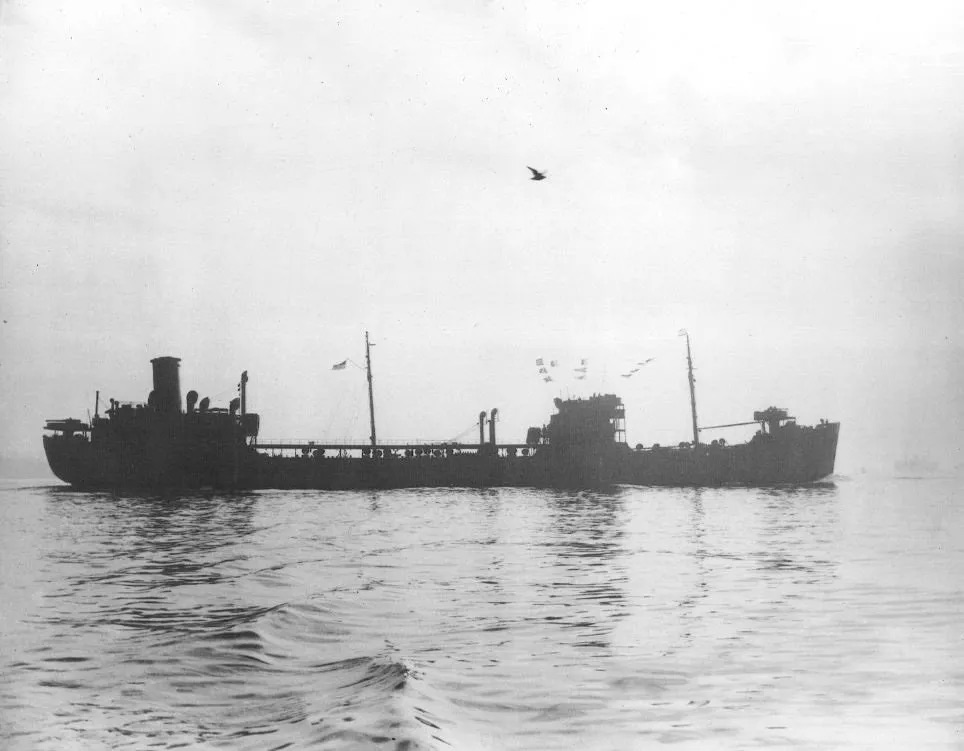
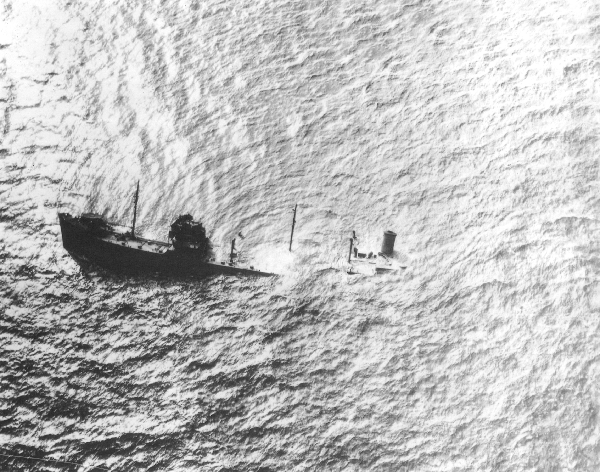
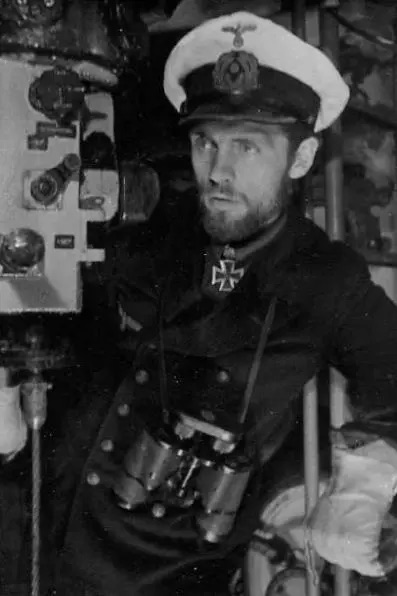
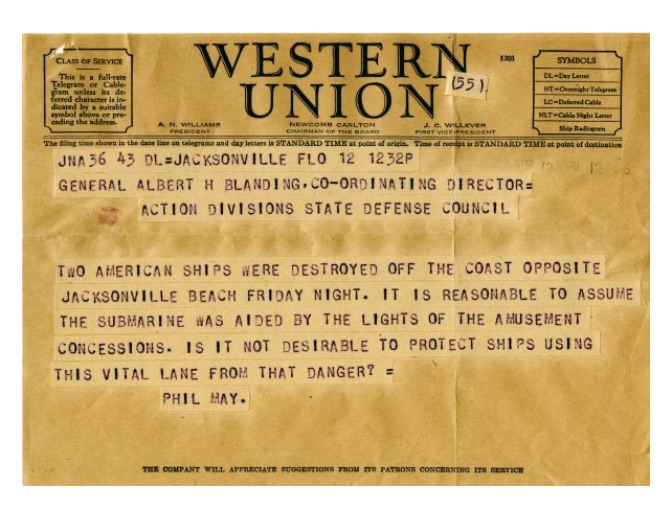
In 1942 during World War 2 Nazi U-Boats brazenly prowled just off the East coast on the United States sinking merchant shipping vital to our war effort. But the most spectacular sinking of them all occurred in April 1942 when U-123 commanded by Reinhard Hardegen sank the tanker SS GulfAmerica only a mere 5 miles off the coast of Jacksonville Florida in full view of beachgoers!
S.S. GulfAmericaS.S.. GulfAmerica after sinking by U-123 Korvettenkapitän Reinhard Hardegen. Commander of U-123Telegram sent after the Sinking.
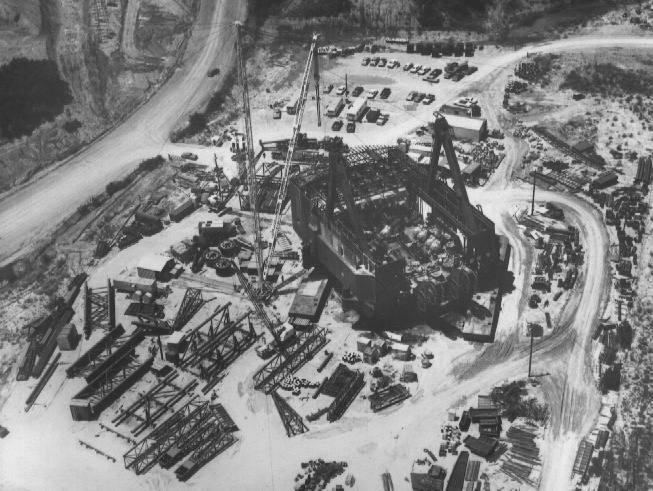
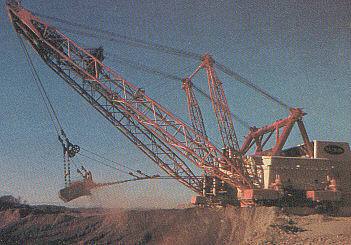
The Big Muskie was a model 4250-W dragline and was the only one ever built by the Bucyrus-Erie. This Mammoth Dragline became the largest dragline in the World! (A record that still stands). This massive machine weighs in at a whooping 27 MILLION pounds! It spent 22 years in Ohio removing overburden from the vast coalfields. it removed over 608,000,000 cubic yards of dirt which twice the amount of dirt removed to build the Panama Canal!
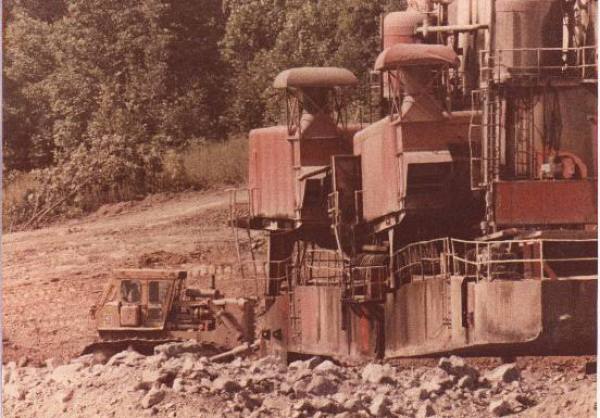
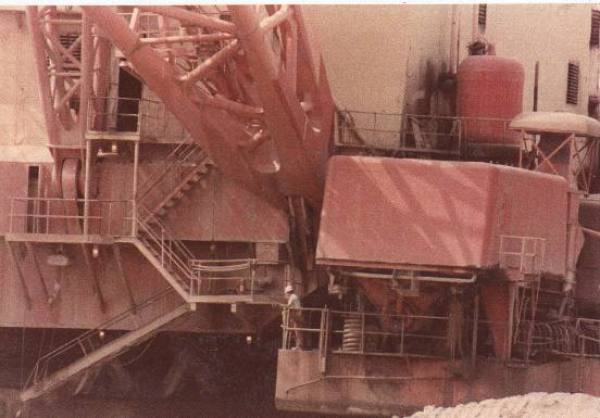
Big Muskie being built. Photo used from Stripmine.org (Courtesy of Art Catino.)Big Muskie at work. Photo from Stripmine.OrgOne of the walking pads next to a dozer. Photo from Stripmine.OrgNotice the man standing on the walking pad! Photo from Stripmine.Org
In the dark depths of the Quecreek mine, a disaster struck that would test the limits of human resilience and courage. It was a fateful night on July 24th, 2002, when nine miners found themselves trapped underground, their only lifeline to the surface cut off by a sudden flood of water from the poorly mapped Saxman mine.
As the water rose around them, panic and desperation threatened to consume their spirits. But above ground, a different kind of energy was building – one of determination, unity, and unwavering resolve. The call for help rang out across the region, and soon, a small army of rescuers descended upon the mine, ready to do whatever it took to bring their fellow men back to safety.
Former Governor Mark Schweiker, a beacon of hope and leadership in the midst of chaos, spearheaded the rescue efforts with unwavering dedication. From coordinating the influx of manpower and machinery to providing support and guidance to the trapped miners’ families, Governor Schweiker’s office played a pivotal role in the monumental task at hand.
Days turned into nights, and the world held its breath as the rescue operation unfolded with painstaking precision. Inch by inch, foot by foot, the rescuers battled against time to reach the stranded miners. And finally, on July 28th, 2002, a collective sigh of relief echoed through the crowd as all nine men emerged from the darkness, battered but unbroken, their spirits buoyed by the unwavering support of their rescuers and the entire community.
As Governor Schweiker reflects on those harrowing days, he shares not just a story of survival and triumph, but a testament to the indomitable spirit of humanity in the face of adversity. The Quecreek mine disaster may have tested their limits, but it also revealed the boundless depths of courage, compassion, and camaraderie that lie within us all.
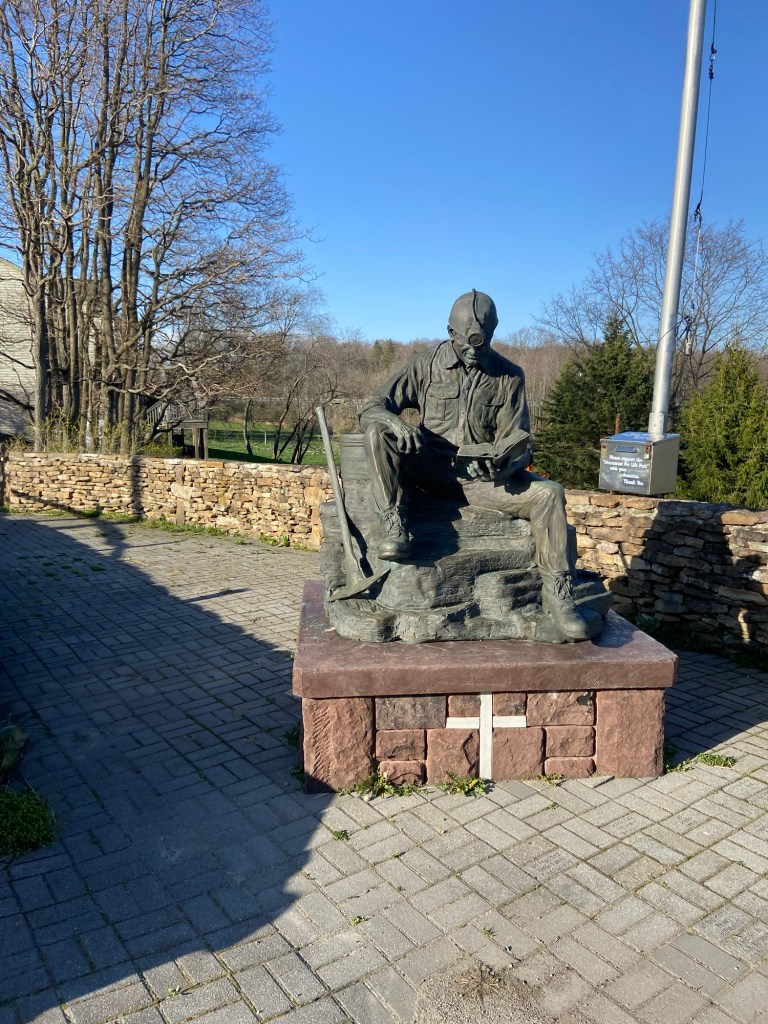
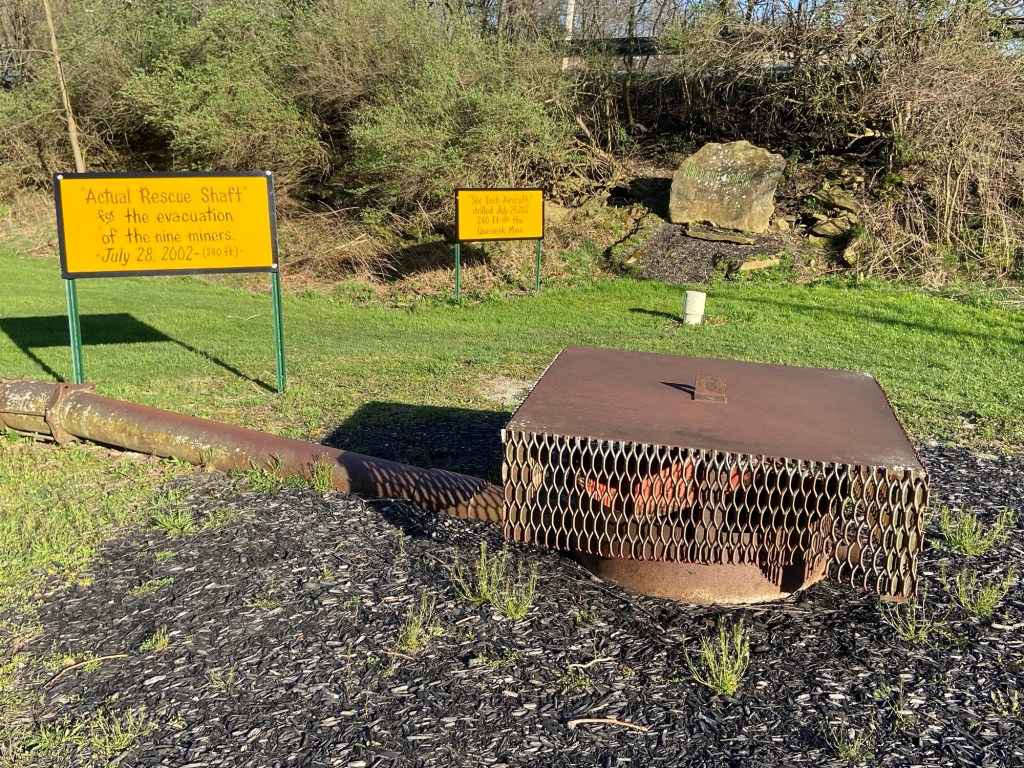
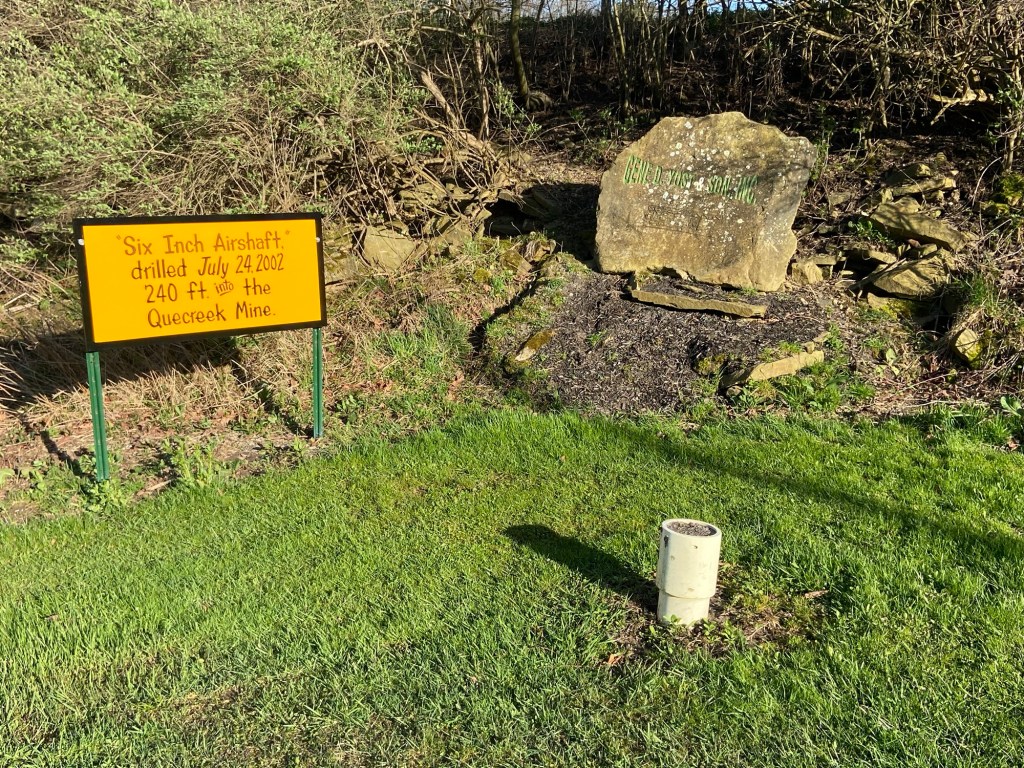
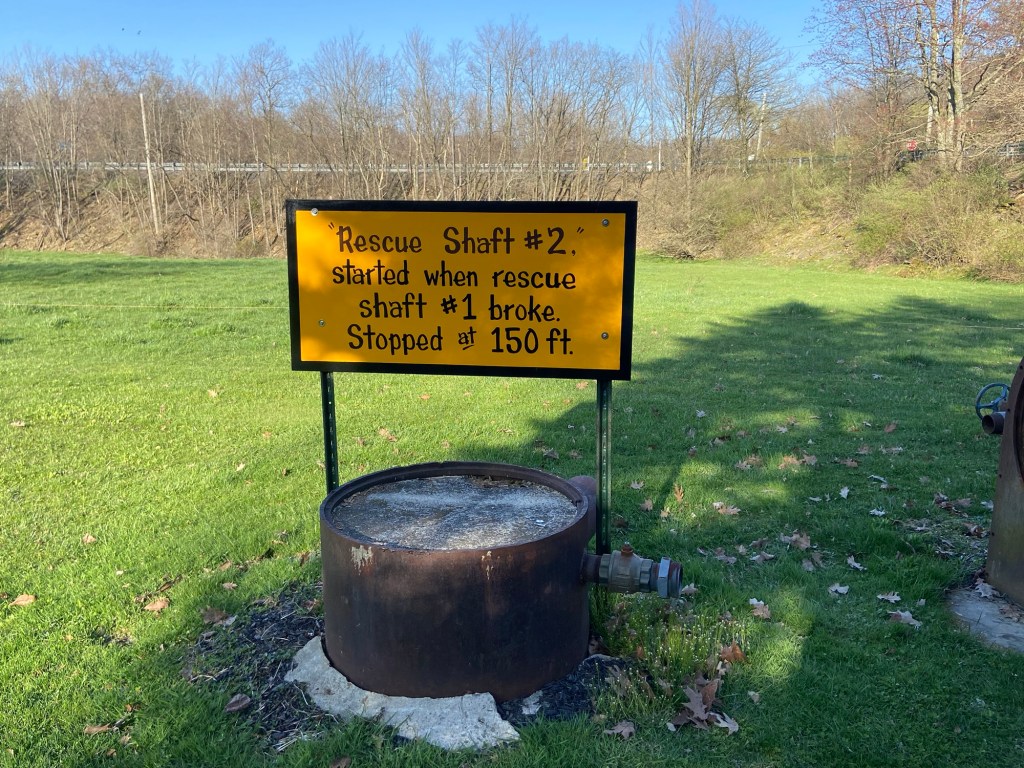
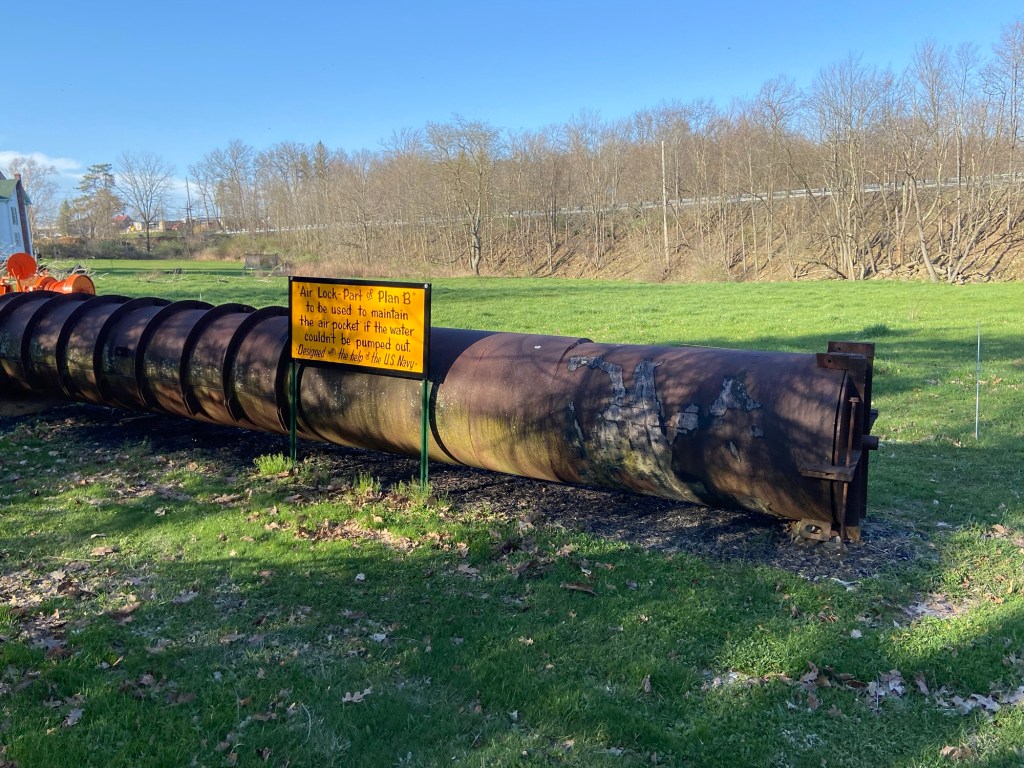
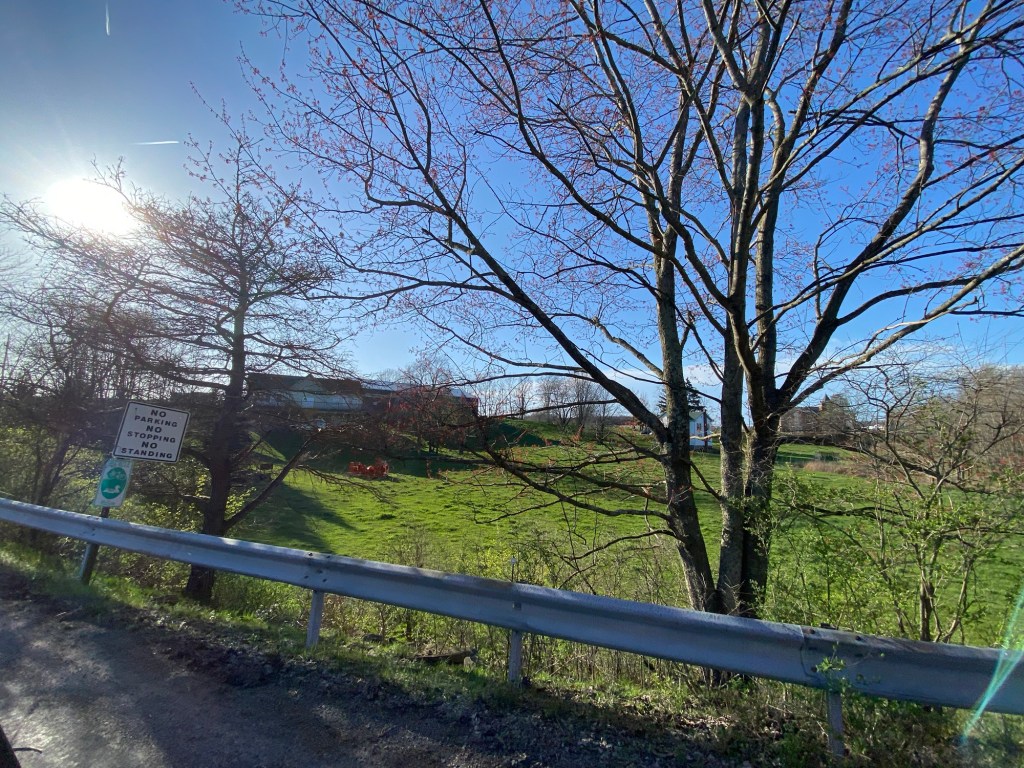
Miners statue at Quecreek Rescue site.Rescue shaft 1. The nine miners were hoisted to safety through this shaft.6 inch air-hole drilled to provide oxygen to the trapped miners.Rescue shaft 2 was started when the bit broke in rescue shaft 1.An airlock designed by the U.S. Navy to maintain a safe air bubble for the miners in case the water couldn’t be pumped out.View of the rescue site located near Somerset, PA.
In the dark depths of the Quecreek mine, a disaster struck that would test the limits of human resilience and courage. It was a fateful night on July 24th, 2002, when nine miners found themselves trapped underground, their only lifeline to the surface cut off by a sudden flood of water from the poorly mapped Saxman mine.
As the water rose around them, panic and desperation threatened to consume their spirits. But above ground, a different kind of energy was building – one of determination, unity, and unwavering resolve. The call for help rang out across the region, and soon, a small army of rescuers descended upon the mine, ready to do whatever it took to bring their fellow men back to safety.
Former Governor Mark Schweiker, a beacon of hope and leadership in the midst of chaos, spearheaded the rescue efforts with unwavering dedication. From coordinating the influx of manpower and machinery to providing support and guidance to the trapped miners’ families, Governor Schweiker’s office played a pivotal role in the monumental task at hand.
Days turned into nights, and the world held its breath as the rescue operation unfolded with painstaking precision. Inch by inch, foot by foot, the rescuers battled against time to reach the stranded miners. And finally, on July 28th, 2002, a collective sigh of relief echoed through the crowd as all nine men emerged from the darkness, battered but unbroken, their spirits buoyed by the unwavering support of their rescuers and the entire community.
As Governor Schweiker reflects on those harrowing days, he shares not just a story of survival and triumph, but a testament to the indomitable spirit of humanity in the face of adversity. The Quecreek mine disaster may have tested their limits, but it also revealed the boundless depths of courage, compassion, and camaraderie that lie within us all.
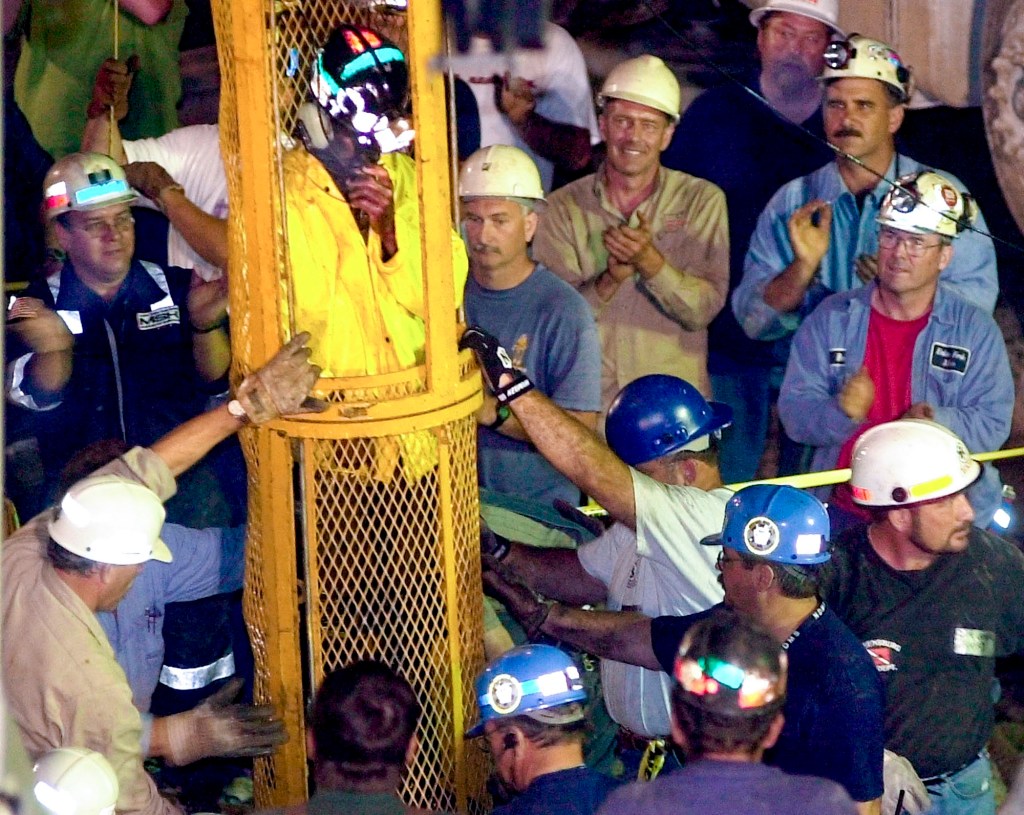
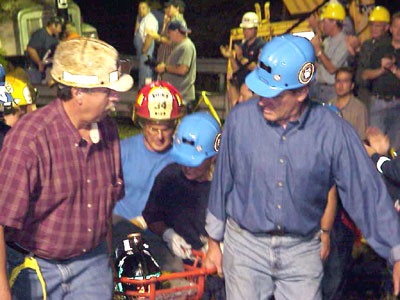
Miners statue at Quecreek Rescue site.Rescue shaft 1. The nine miners were hoisted to safety through this shaft.6 inch air-hole drilled to provide oxygen to the trapped miners.Rescue shaft 2 was started when the bit broke in rescue shaft 1.An airlock designed by the U.S. Navy to maintain a safe air bubble for the miners in case the water couldn’t be pumped out.View of the rescue site located near Somerset, PA.One of the miners reaches the surface in the rescue basket.Rescue operations under way.Former Pennsylvania Governor Mark Schweiker (Blue Shirt) helps carry one of the miners to a waiting ambulance.
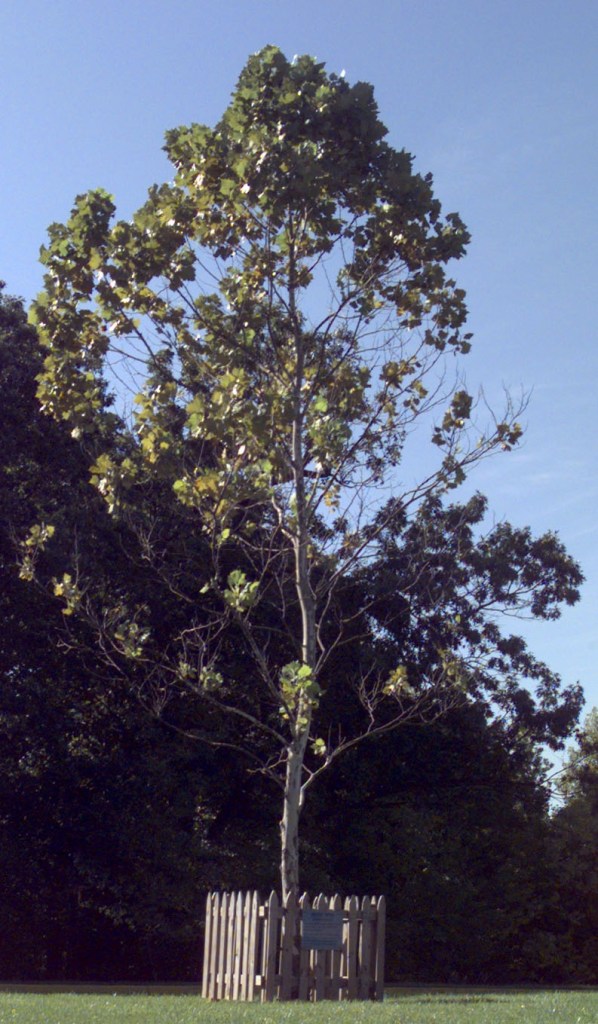
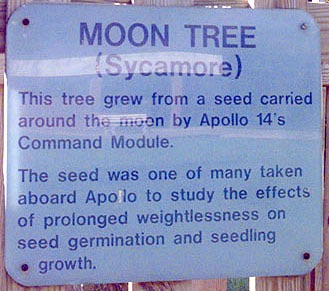
In 1971 United State Forest Service Chief Edward Cliff convinced former smoke jumper turned astronaut Stuart Roosa to take tree seeds on his trip to the moon on Apollo 14. The seeds returned to Earth safely and were later germinated and planted around the country for the bicentennial celebration of America.
David William works for NASA archiving and preserving Apollo mission data. He became interested in the Moon Trees and built a database to list the locations of Moon Trees.Photos taken from David’s website. The database can be found here.
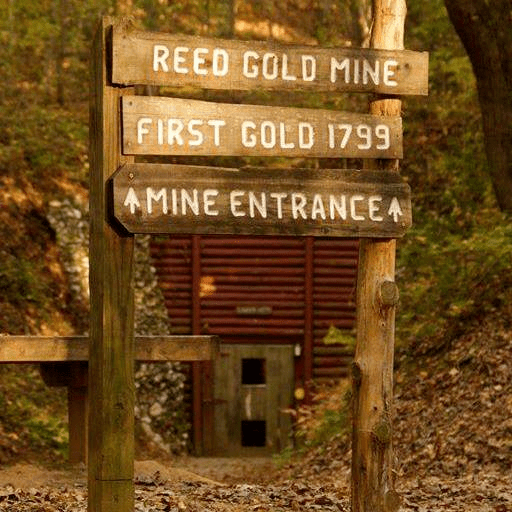
Conrad Reed’s discovery of a 17-pound gold nugget in Little Meadow Creek in 1799 marked the beginning of the gold rush in North Carolina. Initially used as a doorstop, the nugget was later identified as gold by a jeweler in Fayetteville. Despite not fully understanding its value, Conrad’s father, John Reed, sold the nugget for $3.50, a mere fraction of its actual worth. Recognizing the potential of their land, John Reed organized a small-scale gold mining operation around 1803. Soon after, a slave named Peter discovered a 28-pound gold nugget, further affirming the presence of substantial gold deposits on the property. Inspired by these findings, Reed shifted his focus to placer mining, a technique that involves extracting gold from streambeds using simple tools.
As time passed, John Reed transitioned to underground mining in 1831, which involved digging shafts and tunnels to access deeper gold veins. His mining efforts proved successful, and he amassed significant wealth from the gold found on his property.
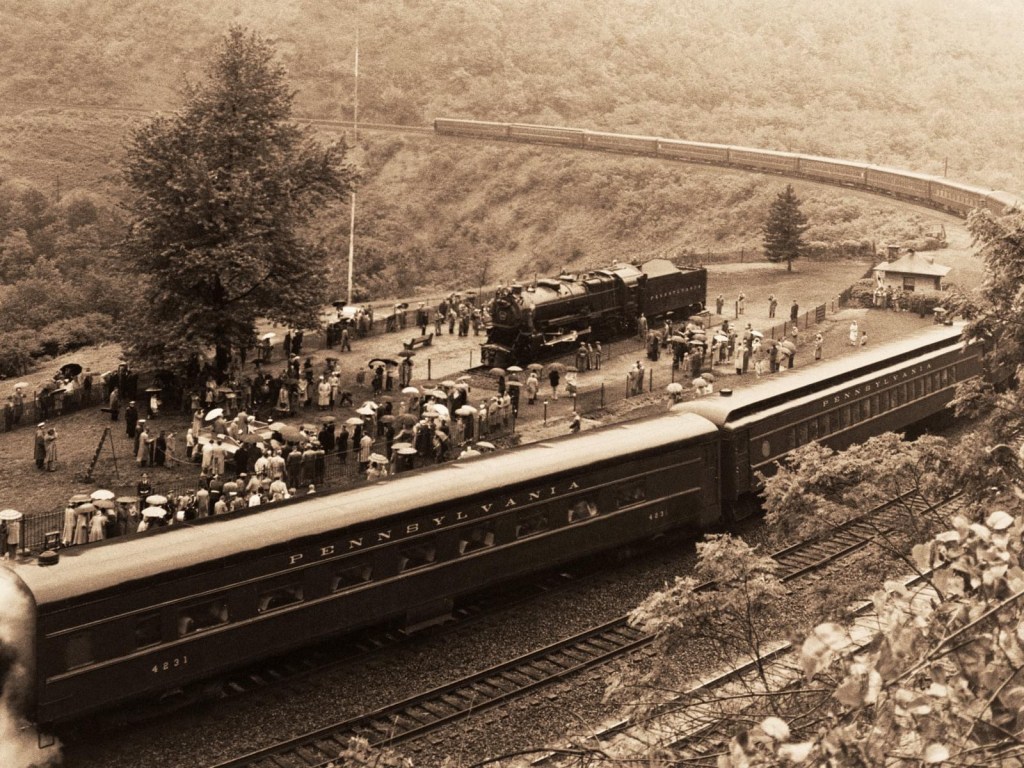
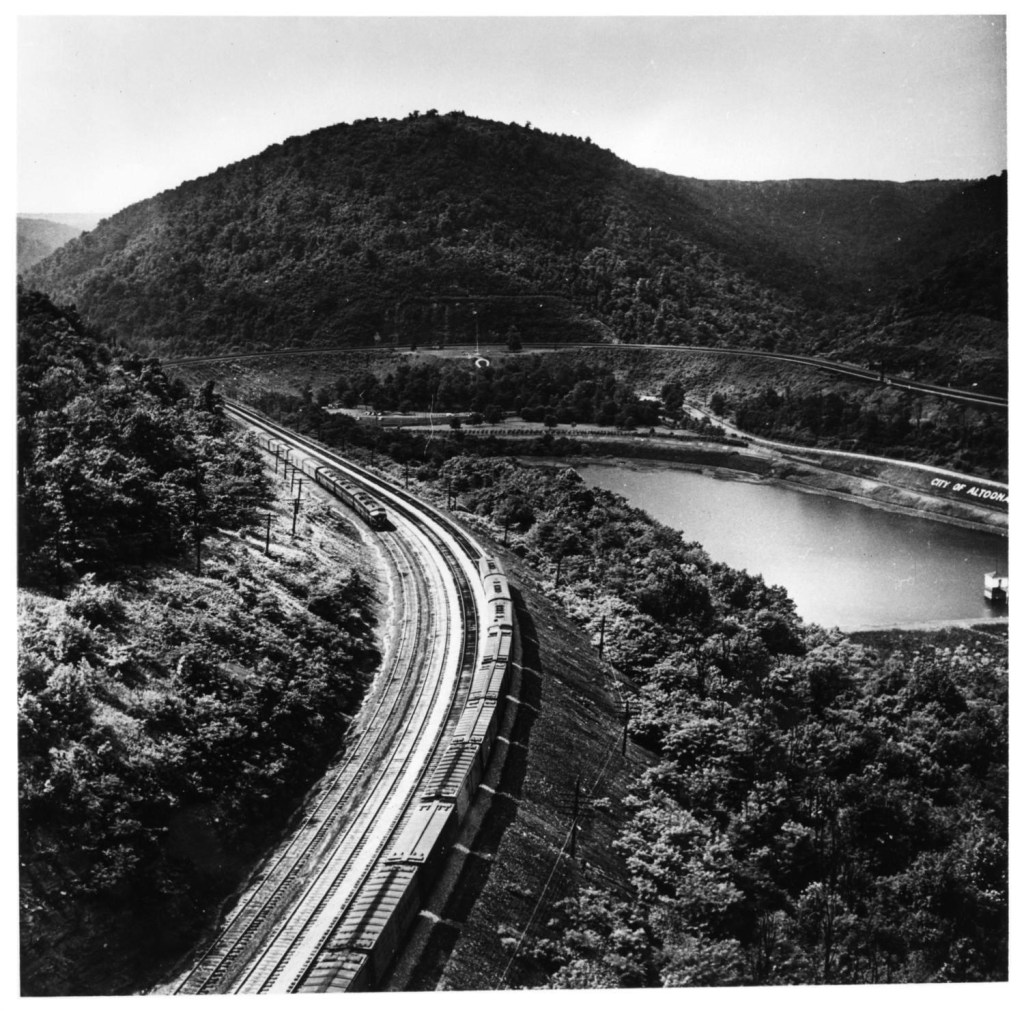
Prior to 1854 a trip across Pennsylvania would take weeks along the canals. Opening the now Famous Horseshoe curve significantly shorted the trip allowing passengers and goods to travel from Philadelphia to Pittsburgh faster than ever. The horseshoe curve was carved out of the mountain side by totally by manual labor. Matthew Wolff joins me to speak about the significance of this engineering marvel.
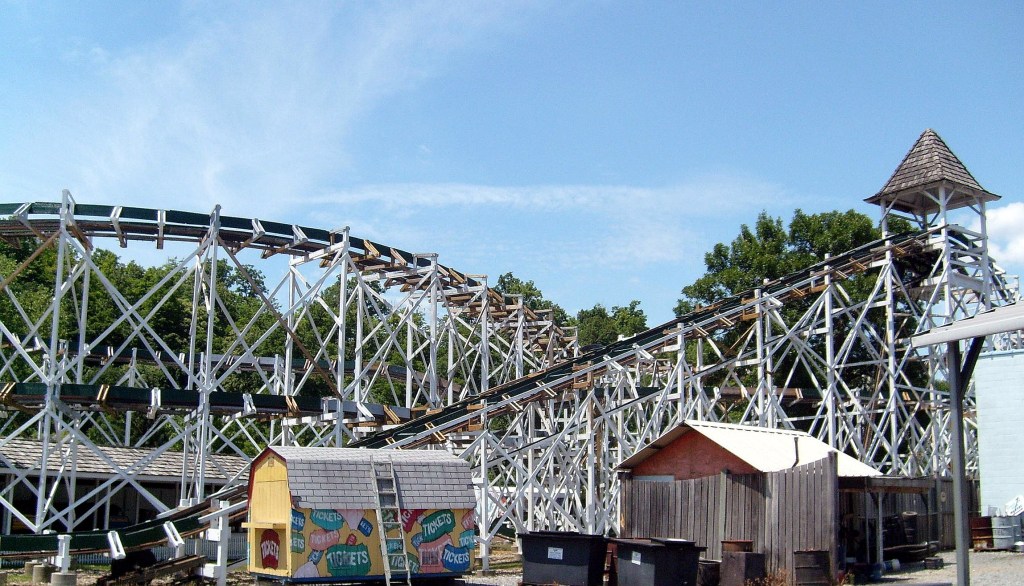
Nestled in the Altoona Pennsylvania area is a small side friction rollercoaster named Leap-The-Dips. Built in 1902 Leap-The-Dips has the distinction of being the oldest operating coaster in the World! Joining me is American Coaster Enthusiasts member and historian David Hahner. ACE was instrumental in helping to restore this coaster to operational condition.
On this episode we welcome back author Robert Hilliard to talk about his new book “In Freedoms Shadow”. This book is a based on a true story spy thriller set during the Civil War. The book features escaped slave turned spy John Scobell who agrees to work with the Pinkerton Detective agency to spy for the Union.
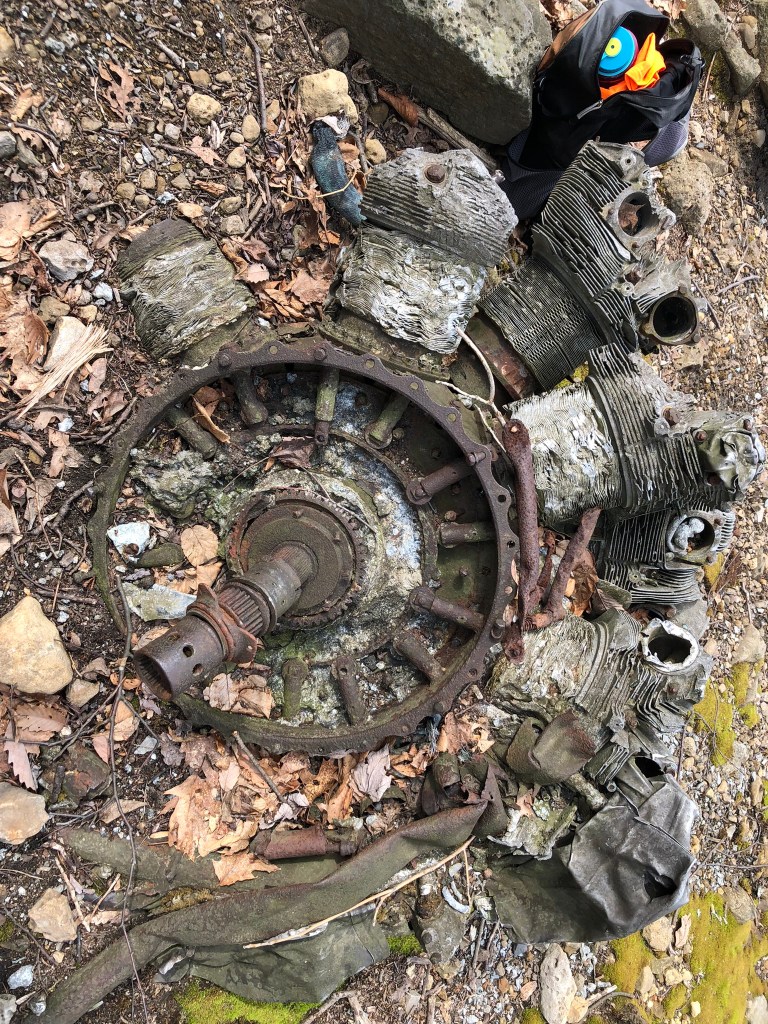
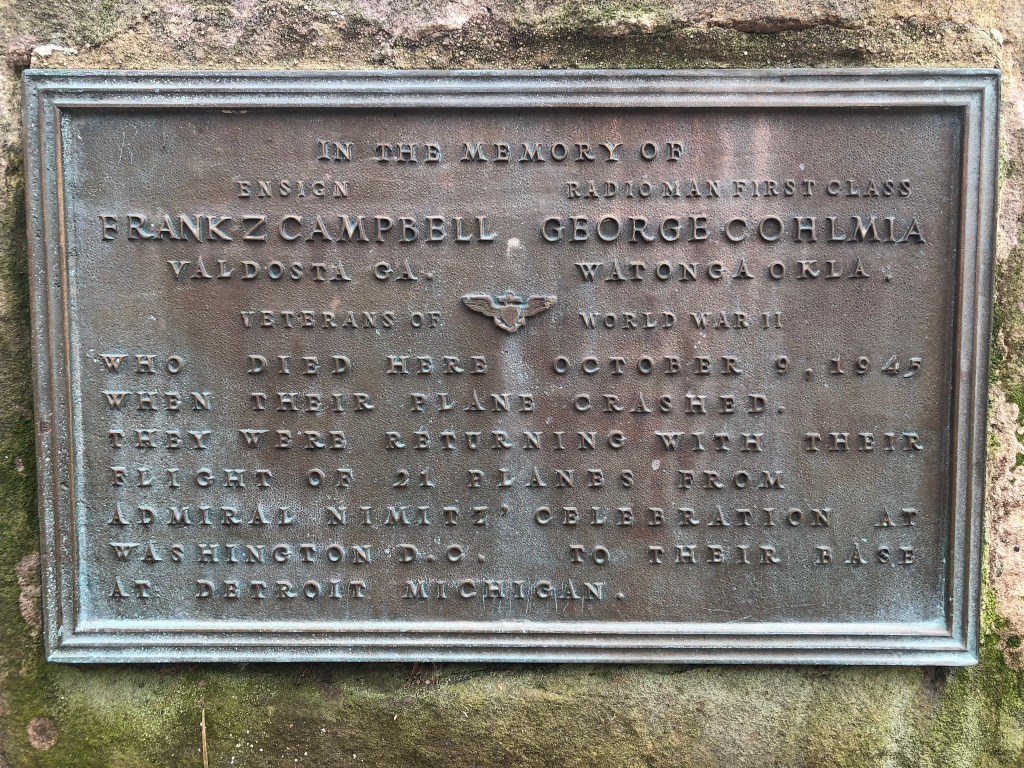
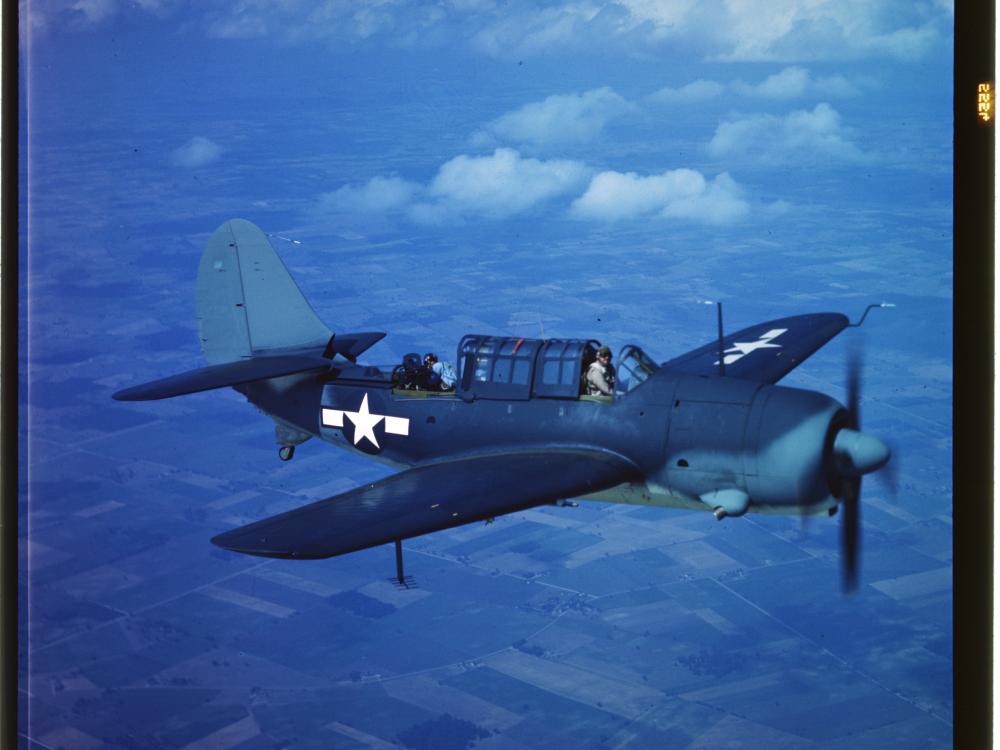
On October 9th, 1945, members of Bombing Squadron 97 consisting of 21 Curtiss Helldivers, were returning to their base in Michigan after participating in the Nimitz Day Celebration held in Washington, D.C. Encountering heavy fog approaching the Laurel Highlands, they decided to turn back towards New Cumberland. One of the aircraft lost it’s way and crashed into the side of a mountain. Killed in the accident were the plane’s pilot and radio operator.
I spoke with Brian Snyder who runs the Snow and Jaggers blog. He has visited the crash site and was kind enough to share his adventure hiking to the remote crash site. You can find his blog here.
Remains of the Wright radial aircraft engine. photo courtesy of Brian Snyder.Memorial plaque at the crash site. Photo courtesy of Brian Snyder.SB2C Helldiver plane. Photo from National Air and Space Museum.


 History from the Homestead